The Blue Heron Hack
Growing up in the backwoods of Louisiana, I’ve been fascinated by the Great Blue Heron. Maybe it started with my dad. Every time we spotted one standing motionless along a pond bank or lifting slow and steady from a bayou, he’d smile and say, “Look, Mark… there’s a Blue John.”
Even now, decades later, I still hear his voice when I see one.
Or maybe my fascination comes from the fact that the Blue Heron and I share a common affection: fishing. Though if I’m being honest, the heron is better at it than most folks I know.
A mature heron has learned something most people spend a lifetime trying to figure out: don’t waste energy fighting every ripple in the water.
Stand still long enough, and the right moment will eventually swim by.
That’s the Blue Heron Hack.
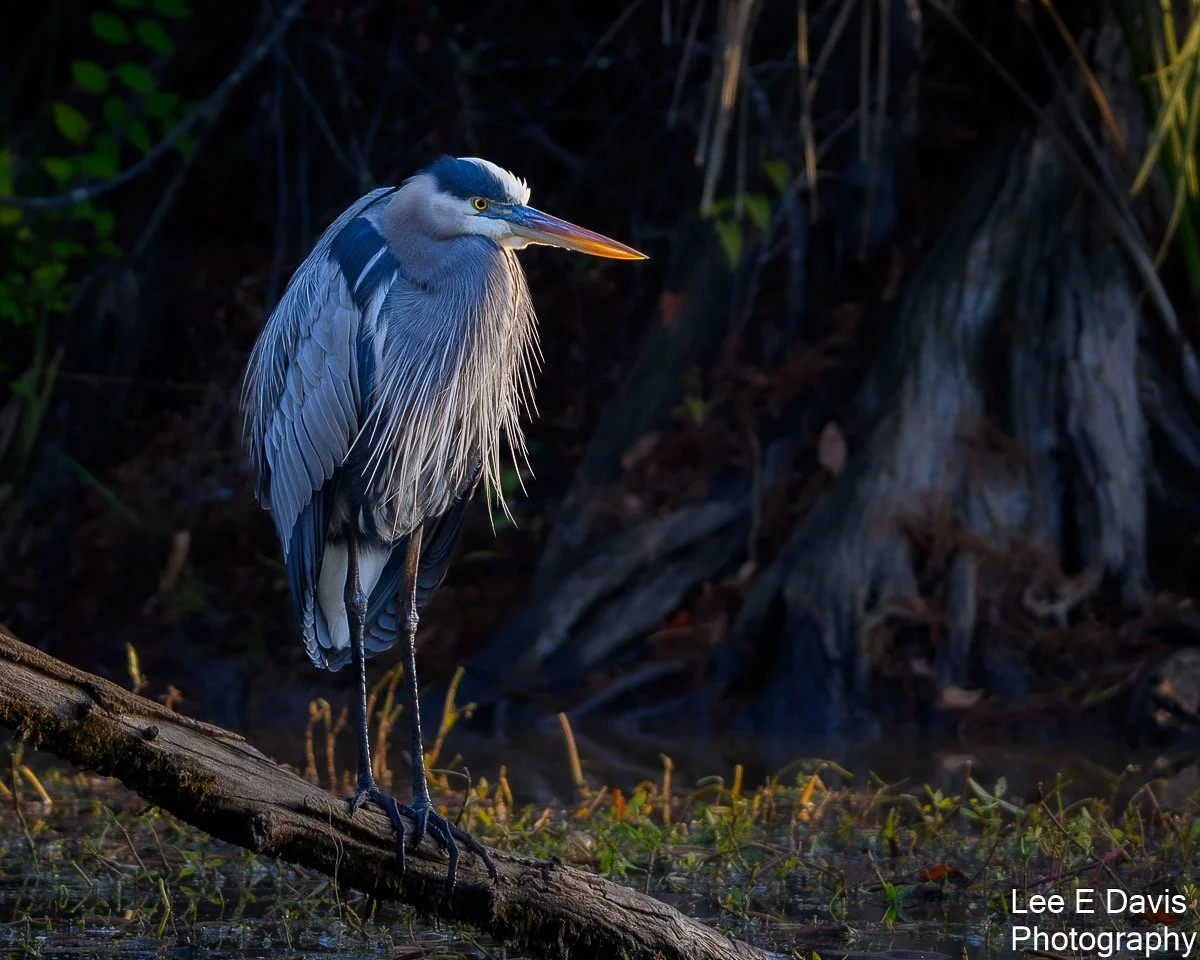
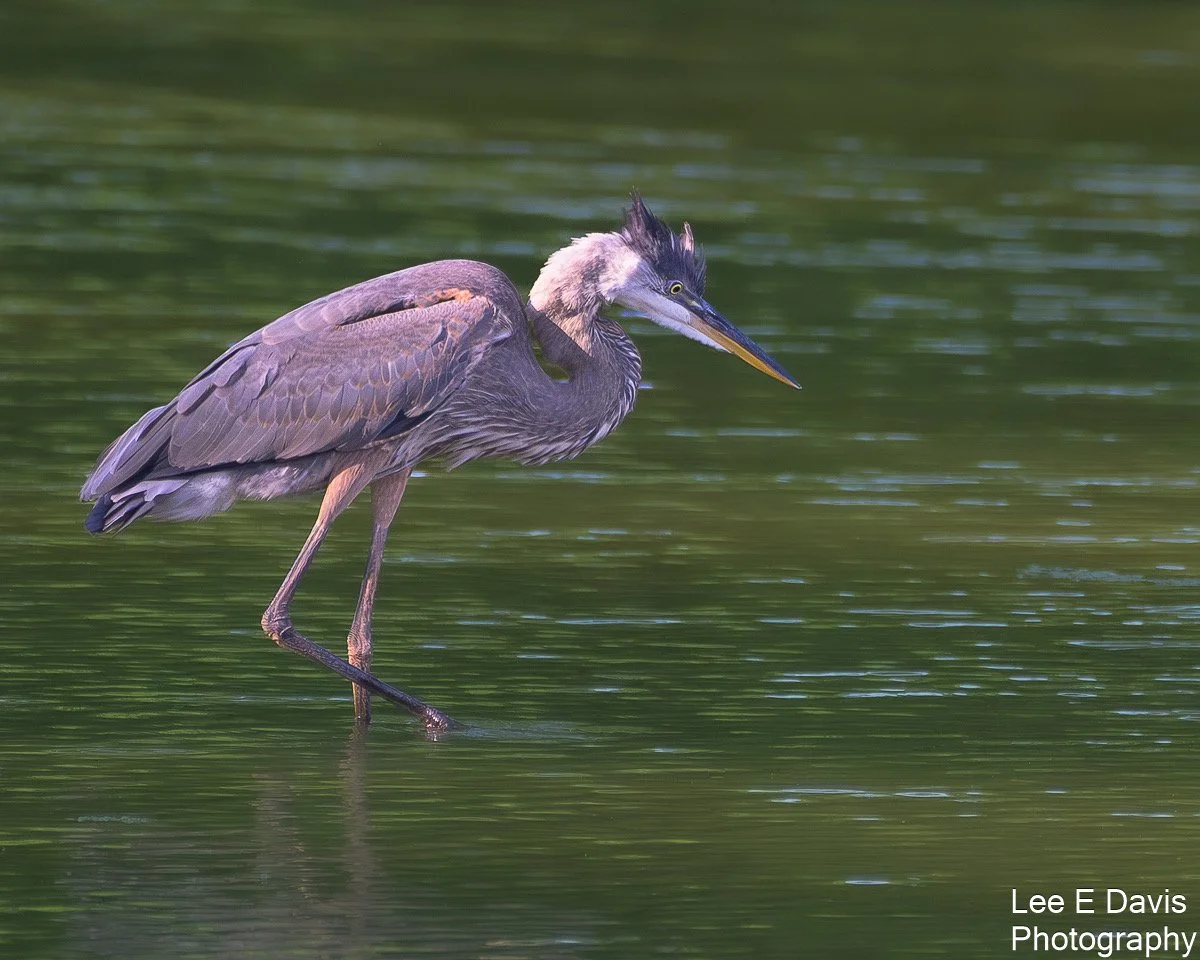
In Louisiana, it’s common to see them in bayous, swamps, rice fields, lakes, and coastal marshes. You’ll often find one knee-deep in shallow water at dawn, standing so still it looks carved from driftwood. Then suddenly — strike. No wasted motion. No panic. Just precision.
And when they fly, they carry another signature trait. Unlike cranes that stretch their necks straight out, the Great Blue Heron folds its neck into an elegant S-shape. It glides low over the reeds like a living grey shadow, ancient and unhurried.
There are a few fascinating things about them:
They nest in colonies called rookeries, often high in cypress trees. They can hunt day or night. They have a deep, harsh croak that sounds like the swamp itself clearing its throat. And despite their elegant appearance, they are rugged survivors. Storms, floods, hurricanes, cold snaps — they endure them all.
The more I watch them, the more I contemplate that the heron is preaching a sermon without words.
Patience.
Precision.
Stillness before movement.
The heron understands that not every season is for croaking or flaunting that massive wingspan. Some seasons are for standing still and watching the water with care.
That’s difficult for people like us who are in this human race.
We live in an age of hurry. Notifications. Deadlines. Opinions. Noise. Everybody’s rushing somewhere, often without asking whether the destination is worth the trip. We’ve become addicted to motion, as though movement itself proves purpose.
But Scripture paints a different picture.
James writes:
“But let patience have its perfect work, that you may be perfect and complete, lacking nothing.” — James 1:4 NKJV
Biblical patience is not laziness. It is disciplined endurance. It is the farmer trusting the unseen work beneath the soil. It is a seed refusing to panic underground.
The heron knows this instinctively. It does not strike at every ripple. It waits for the right one. There’s wisdom in that.
Ephesians 5:15 says:
“See then that you walk circumspectly, not as fools but as wise.”
Circumspectly. Carefully. Accurately. Deliberately.
The heron wastes almost nothing. Every movement matters. Every step is measured. It is fully present in the moment it occupies. Meanwhile, many of us live with our spiritual shoelaces untied — emotionally tripping and reactive, distracted, rushed, burning energy on battles God never assigned us to fight.
The heron reminds me that wisdom is often quiet.
And then there’s stillness- the quietness of the soul that involves more than the absence of noise. Psalm 46:10 says:
“Be still, and know that I am God.”
Stillness is not inactivity. It is settled confidence before movement. Isaiah put it this way:
“In quietness and confidence shall be your strength…” — Isaiah 30:15
The soul has a tendency to get noisy before it gets foolish.
Panic rushes. Fear flails. Anxiety churns muddy water until nothing can be seen clearly. But faith has a steadiness to it. A rootedness. Isaiah 28:16 may be my favorite line connected to all this:
“He who believes will not act hastily.”
That verse feels like it belongs stitched into the wing of a Blue Heron. Real wisdom is rarely frantic.
The older I get, the more I realize that some of life’s greatest breakthroughs came after seasons where nothing appeared to be happening at all. But below the surface, God was aligning timing, shaping character, clearing water, preparing the strike.
Sometimes the holiest thing you can do is stop splashing.
Stand still.
Watch carefully.
Wait faithfully.
Because eventually, if you stay attentive, the right moment swims by.
And when a Great Blue Heron finally lifts off from a Louisiana marsh at sunset, it looks like a piece of the swamp itself learned how to fly. Maybe that’s the final lesson.
Those who learn patience, precision, and stillness before God eventually rise above the swampy waters that once tested them.
All photos by my good friend: Lee E Davis. You can view more of his beautiful work here.